The Ultimate Luxury Guide to South Korea: Exploring Seoul, Busan, and Jeju Island
The Ultimate Luxury Guide to South Korea: A Journey Through Tradition and Modernity
South Korea, often referred to as the ‘Land of the Morning Calm,’ has rapidly evolved into one of the most dynamic and influential travel destinations in the world. From the neon-lit skyscrapers and futuristic technology of Seoul to the serene, centuries-old Buddhist temples nestled in misty mountains, the country offers a unique juxtaposition that caters to every type of traveler. This comprehensive guide provides an in-depth look at how to experience South Korea with a focus on luxury, culture, and unforgettable landscapes.
Seoul: The Heart of the Peninsula
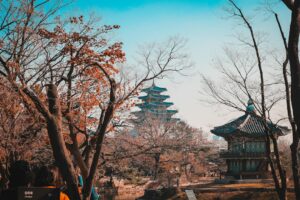
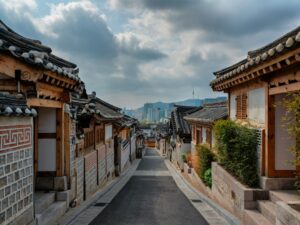
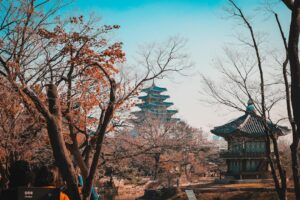
Your journey begins in Seoul, a sprawling metropolis where ancient history meets cutting-edge innovation. To truly appreciate the city’s heritage, start at Gyeongbokgung Palace, the primary royal palace of the Joseon Dynasty. Watching the Changing of the Guard ceremony provides a glimpse into the regal pageantry of Korea’s past. For a more intimate experience, wander through the narrow alleys of Bukchon Hanok Village, where hundreds of traditional Korean houses (hanoks) have been preserved and converted into tea houses, boutiques, and guesthouses.

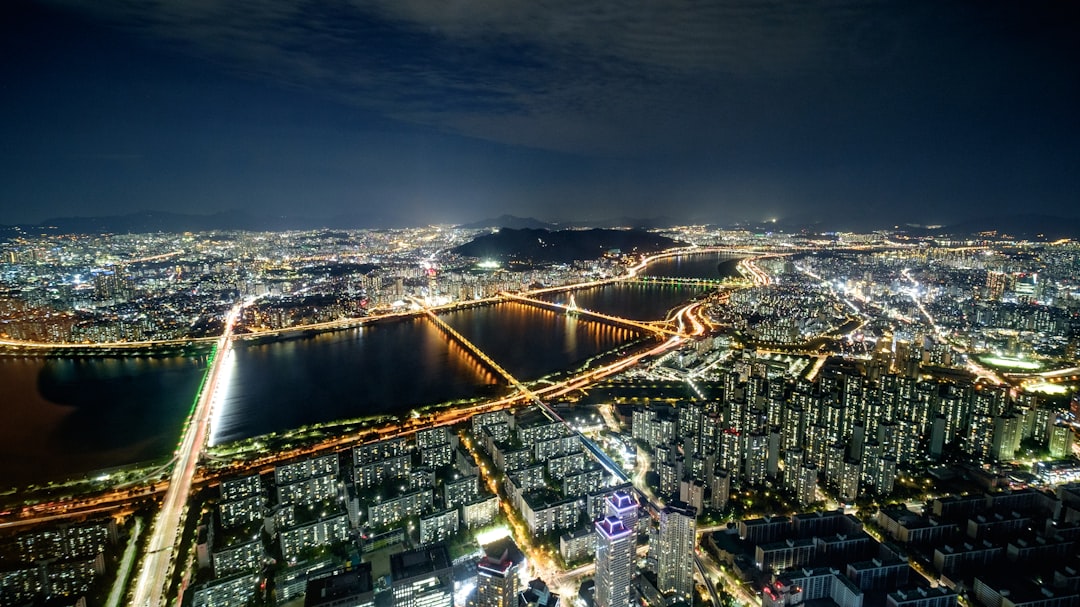
For those seeking modern luxury, the Gangnam District is a must-visit. Known for its high-end fashion, luxury clinics, and the iconic Starfield Library, it represents the pinnacle of urban sophistication. After a day of shopping in Apgujeong, retreat to the Lotte World Tower, one of the tallest buildings in the world, to witness a panoramic sunset over the Han River. The city’s nightlife is equally vibrant, with areas like Itaewon and Hongdae offering a mix of international dining and local street performances that keep the energy high until dawn.
A Culinary Odyssey
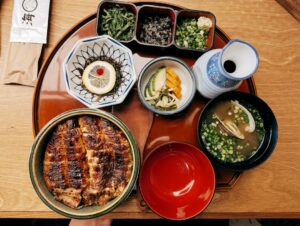
Korean cuisine is a global phenomenon, and for good reason. A premium travel experience in Korea is incomplete without a traditional ‘Hanjeongsik’—a full-course meal that was historically served to royalty. This feast includes dozens of side dishes (banchan), such as fermented kimchi, seasoned vegetables, and marinated seafood, centered around main courses like Galbi (grilled short ribs) or Bibimbap. For modern gourmands, Seoul boasts several Michelin-starred restaurants that fuse traditional Korean ingredients with French or Japanese techniques, creating a unique culinary language that is both familiar and revolutionary.
Busan: Coastal Charm and Maritime Majesty
Travel south via the KTX high-speed train to reach Busan, South Korea’s second-largest city and its most famous port. Busan offers a more relaxed, coastal vibe compared to the frantic pace of Seoul. Haeundae Beach is the city’s crown jewel, featuring luxury beachfront hotels and a world-class aquarium. Nearby, the Gamcheon Culture Village offers a splash of color; once a refugee settlement, it is now an artistic hub with brightly painted houses perched on steep hillsides overlooking the sea.
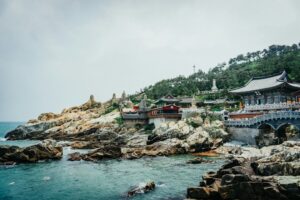
Don’t miss the Haedong Yonggungsa Temple, one of the few Buddhist temples in Korea built right on the rocky coastline. The sound of waves crashing against the temple walls provides a meditative backdrop unlike any other. For seafood lovers, the Jagalchi Market is an essential stop. Here, you can select fresh fish directly from the tanks and have it prepared immediately in the upstairs dining halls, ensuring the freshest ‘Hoe’ (Korean-style sashimi) imaginable.
Jeju Island: The Natural Wonder
A short flight from the mainland takes you to Jeju Island, a volcanic paradise often called the ‘Hawaii of Korea.’ Home to Hallasan, the highest mountain in South Korea, the island is a haven for hikers and nature enthusiasts. Explore the Manjanggul Cave, one of the longest lava tunnels in the world, or hike up Seongsan Ilchulbong (Sunrise Peak) to watch the sun emerge over the horizon. The island is also famous for its ‘Haenyeo’—female divers who harvest seafood by hand without the use of oxygen tanks, a tradition recognized by UNESCO as Intangible Cultural Heritage.
Practical Travel Tips
Navigating South Korea is incredibly efficient. The T-money card is an essential tool, allowing for seamless transfers between subways, buses, and even taxis in most major cities. While English is widely spoken in tourist areas, learning basic phrases like ‘Annyeonghaseyo’ (Hello) and ‘Kamsahamnida’ (Thank you) will go a long way in showing respect. Regarding etiquette, always use two hands when giving or receiving items, and remember to remove your shoes when entering a traditional home or certain restaurants. The best times to visit are during the spring (April to June) for cherry blossoms and the autumn (September to November) for the breathtaking fall foliage that paints the mountains in shades of crimson and gold.